Open Floor Plan Kitchen Remodel
Galler Kitchen Remodel in Seattle
project Story
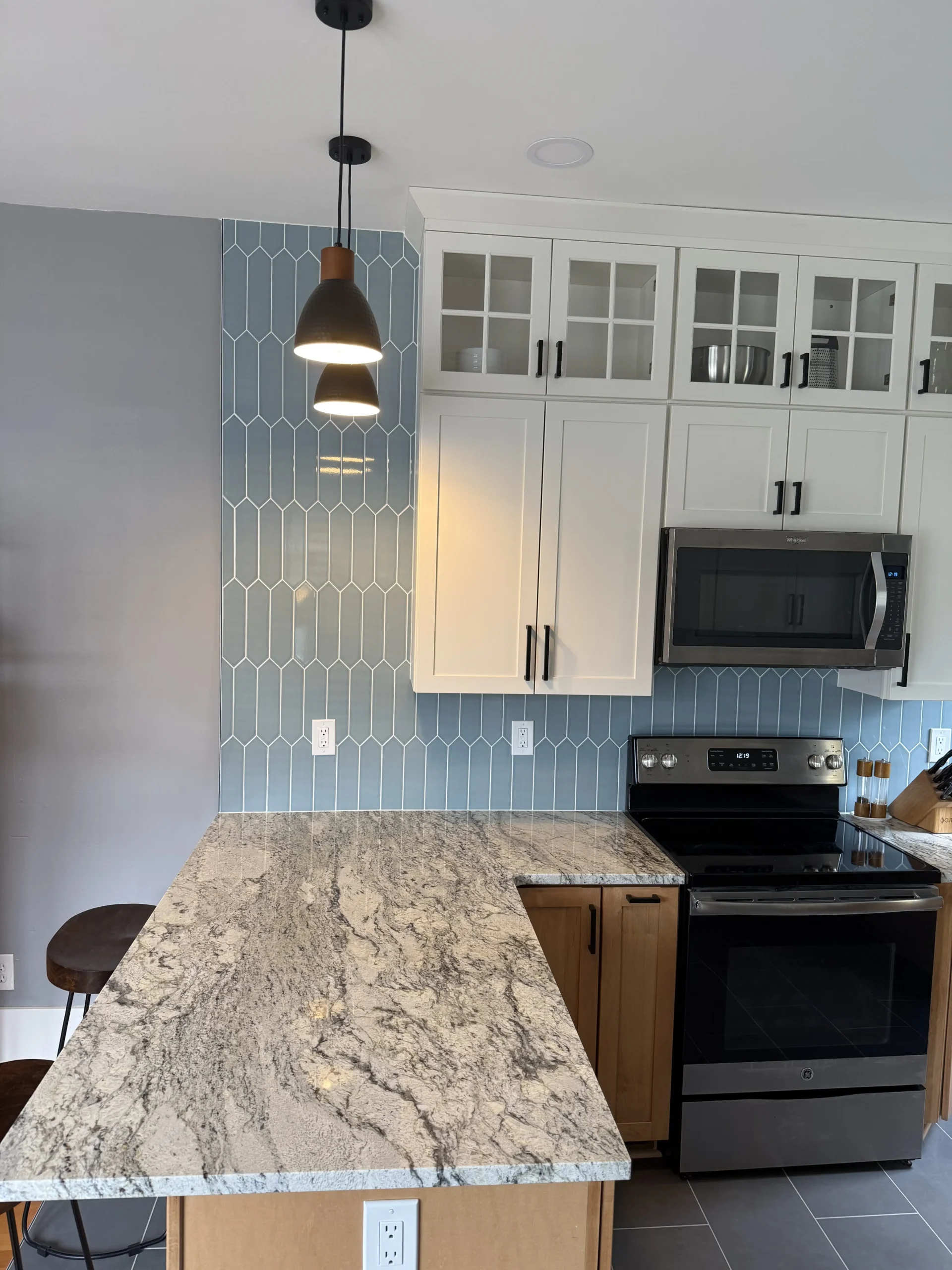
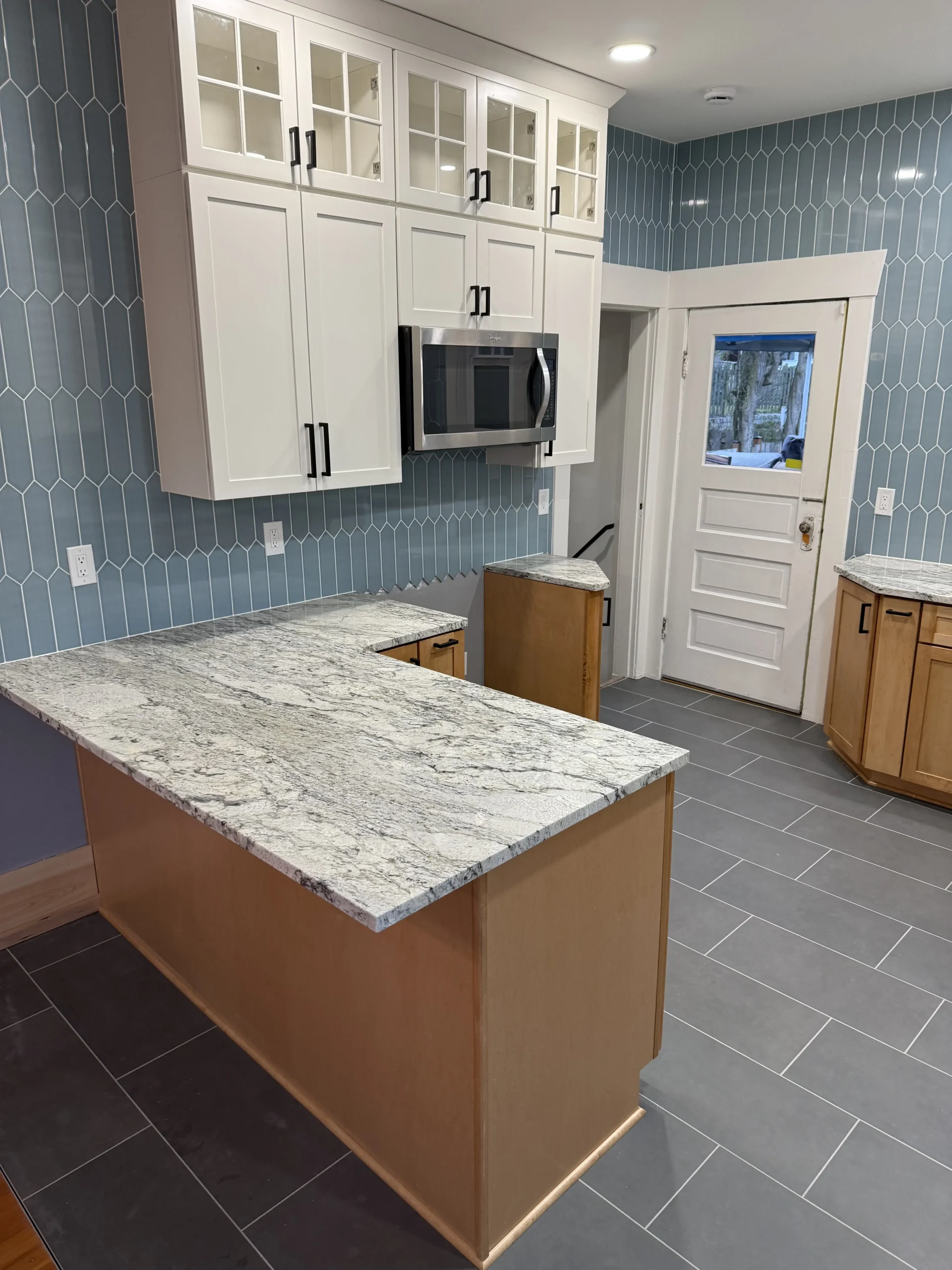
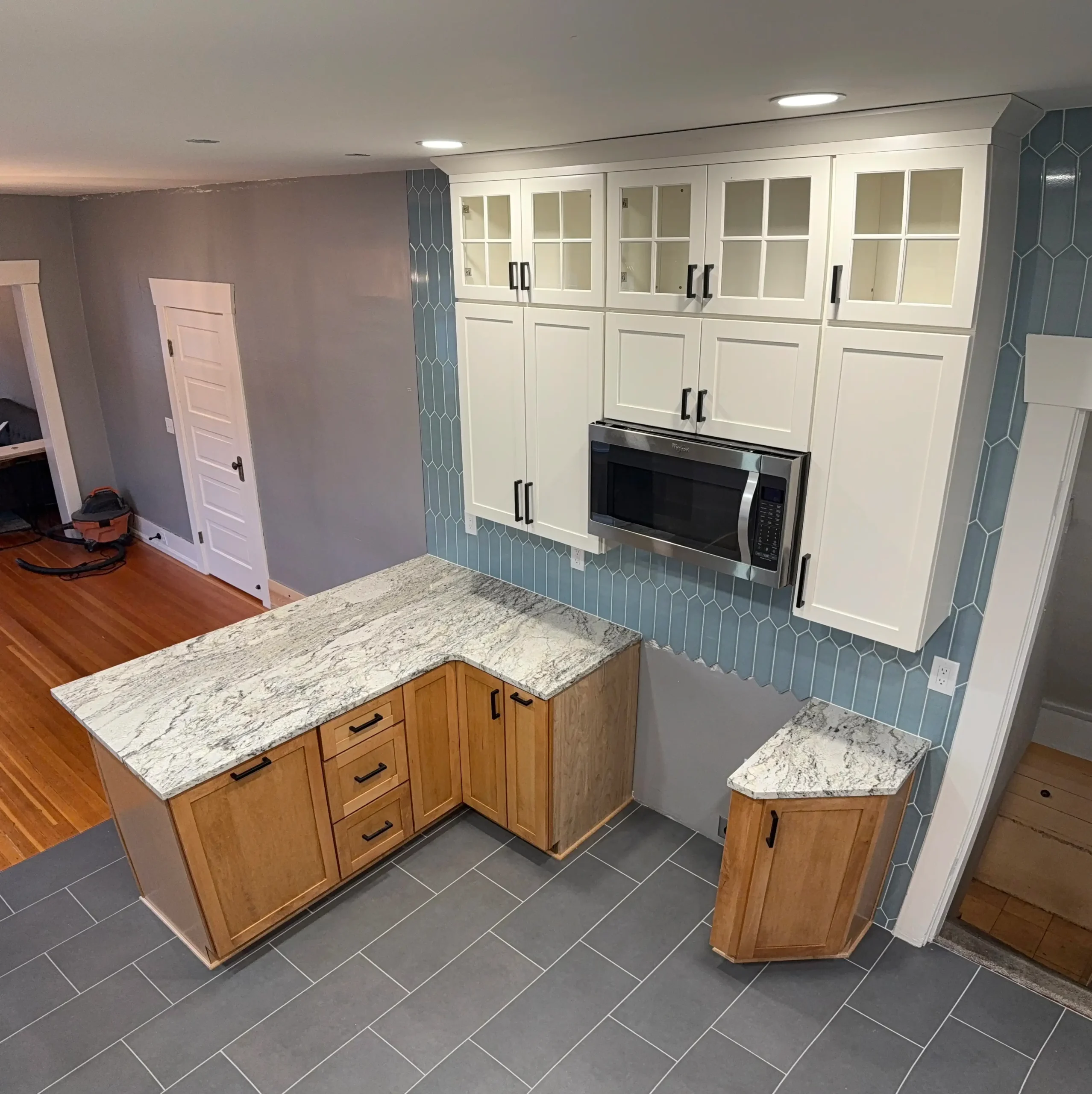
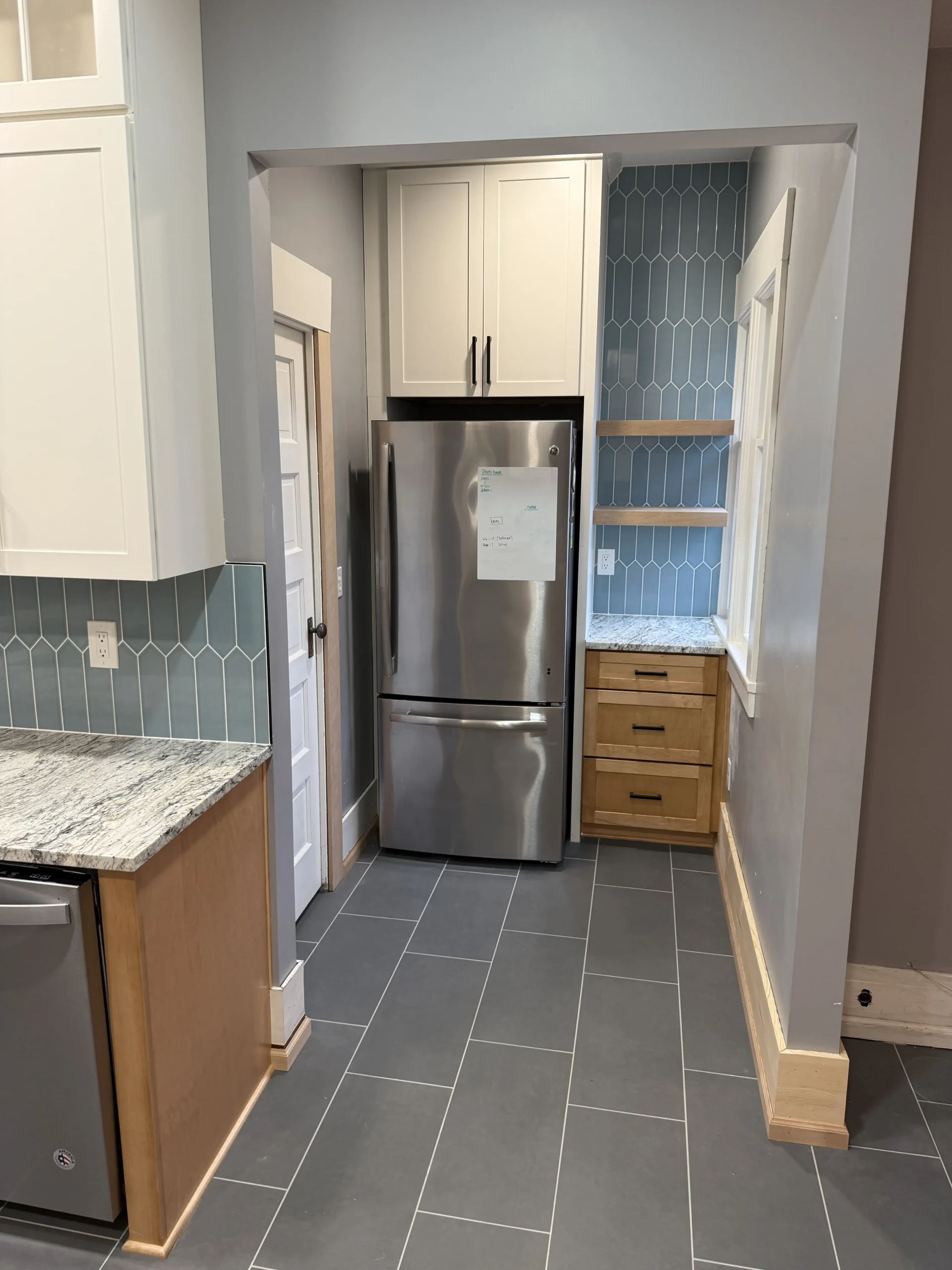
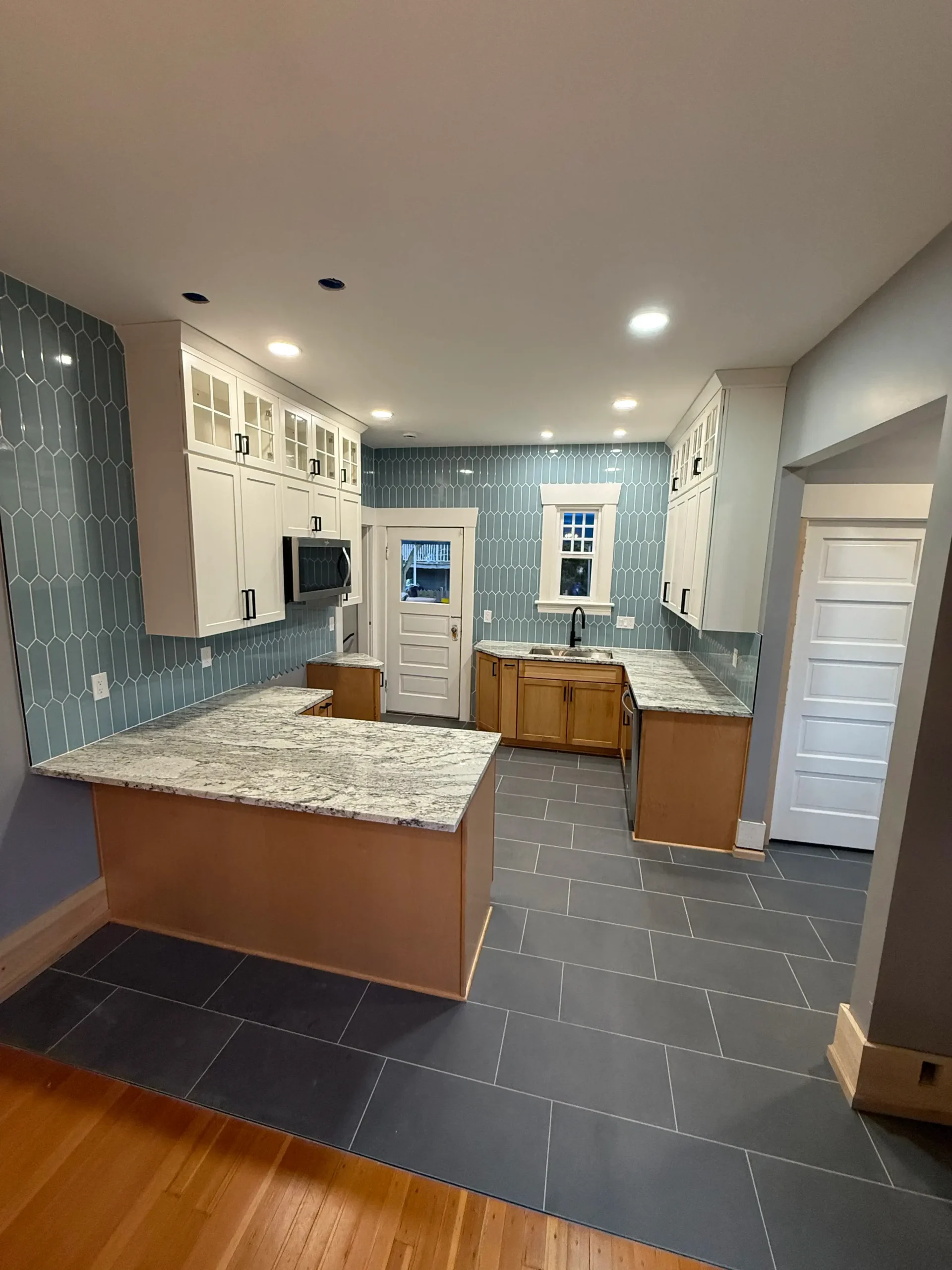
This early 1900s home in Seattle had a lot of original character, but the layout no longer worked for how the homeowner used the space day to day. The kitchen was closed off from the rest of the main floor, and the circulation between spaces felt segmented, limiting both flow and usability. Michael, homeowner, came in with a clear vision to open up the floorplan and improve the kitchen layout, and Kirk worked closely with him throughout design and construction to refine what would work structurally within the existing home.
The intent was to remove the wall separating the kitchen from the adjacent living areas and create a more open main floor. This project was not without its hiccups. Once the demo began, it became clear that the wall wasn’t a simple partition, it contained a brick chimney running through it, and the surrounding structure was plaster and lathe, which made demolition and reconstruction significantly more involved than initially expected.
From there, the scope naturally expanded beyond just layout changes. With the new configuration, the plumbing, electrical, and HVAC systems all had to be reworked to support the updated floorplan. That required careful coordination across trades to ensure everything aligned properly with the new kitchen footprint and integrated cleanly back into the existing systems of the home.
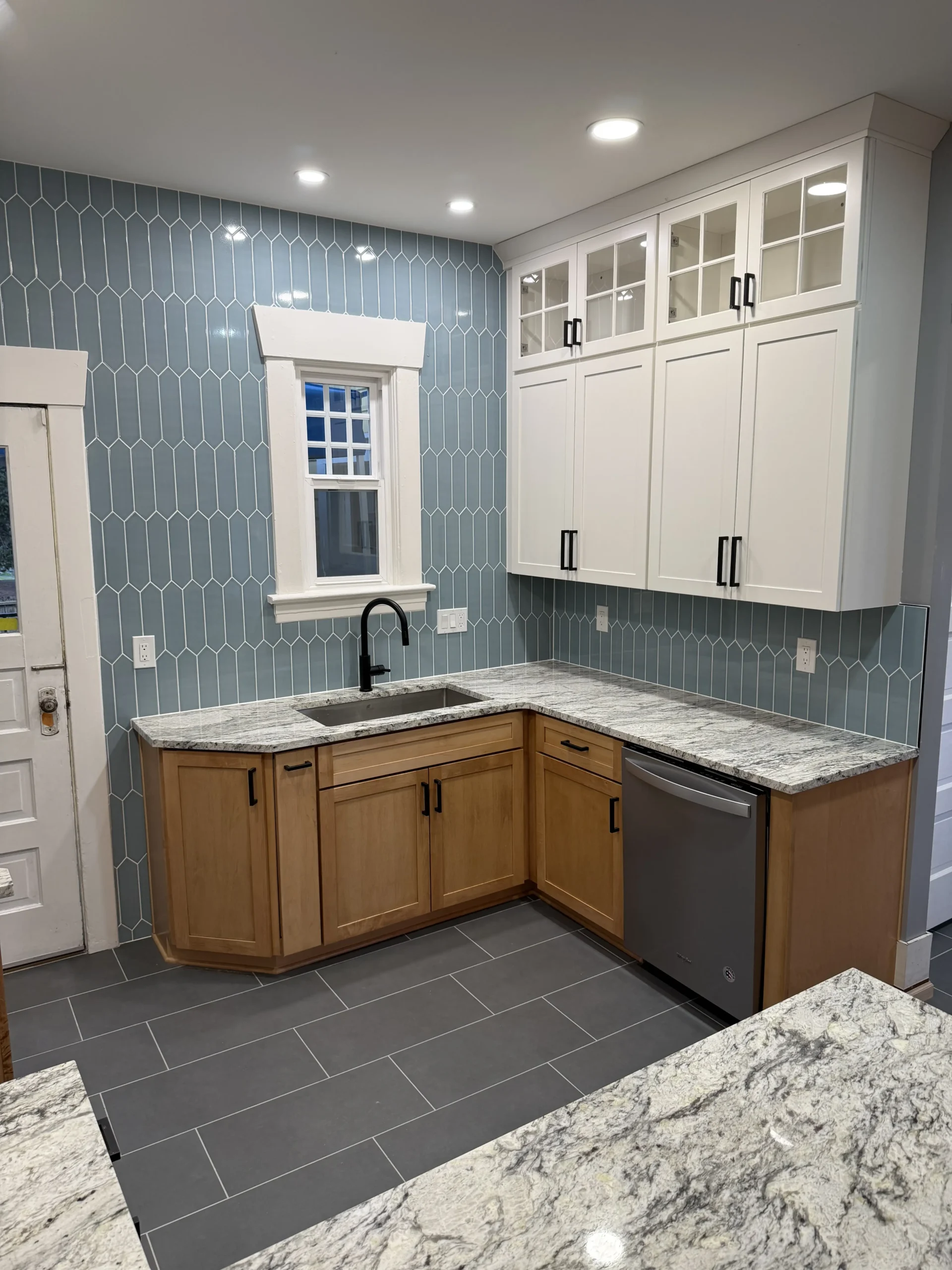
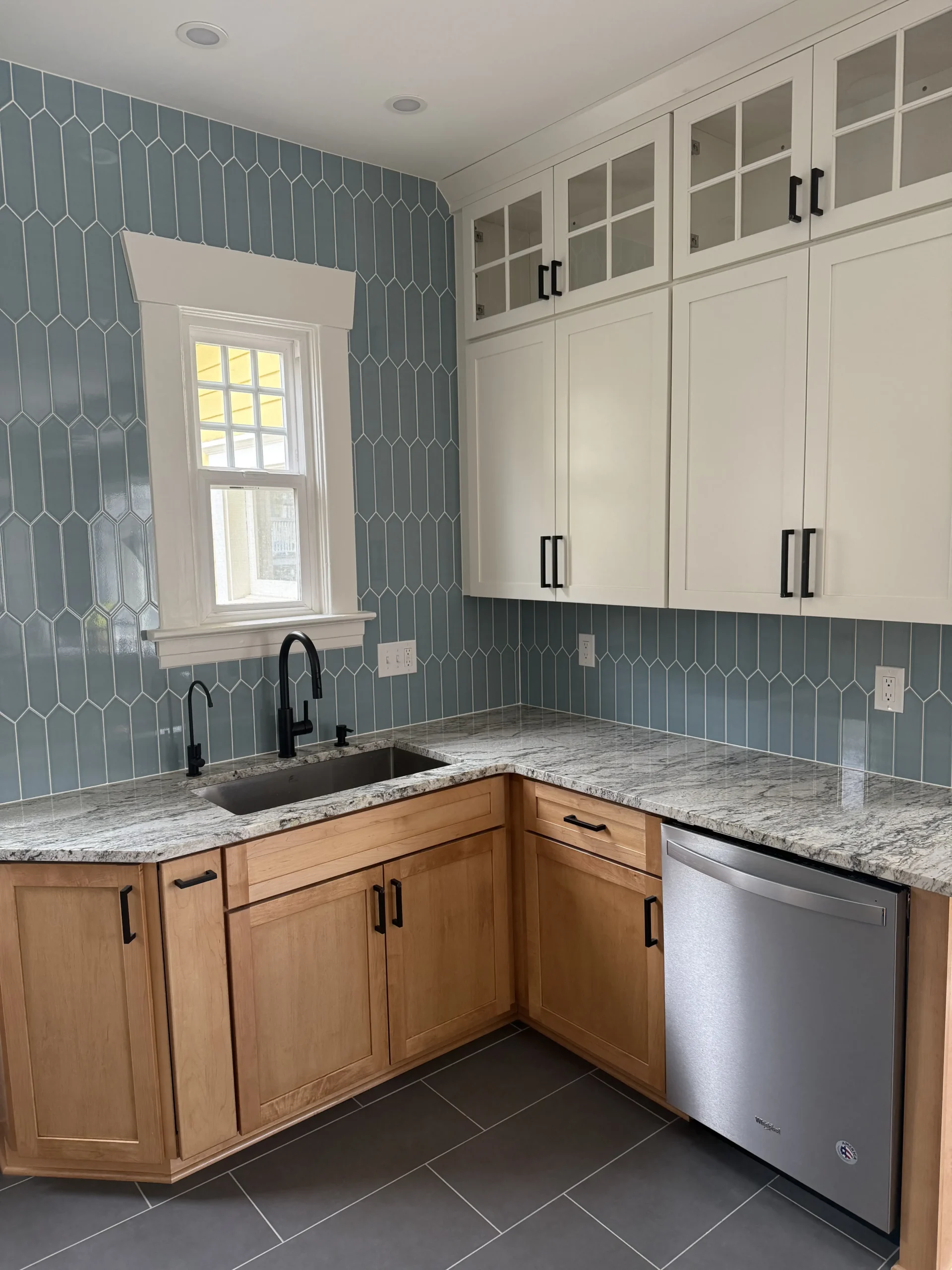
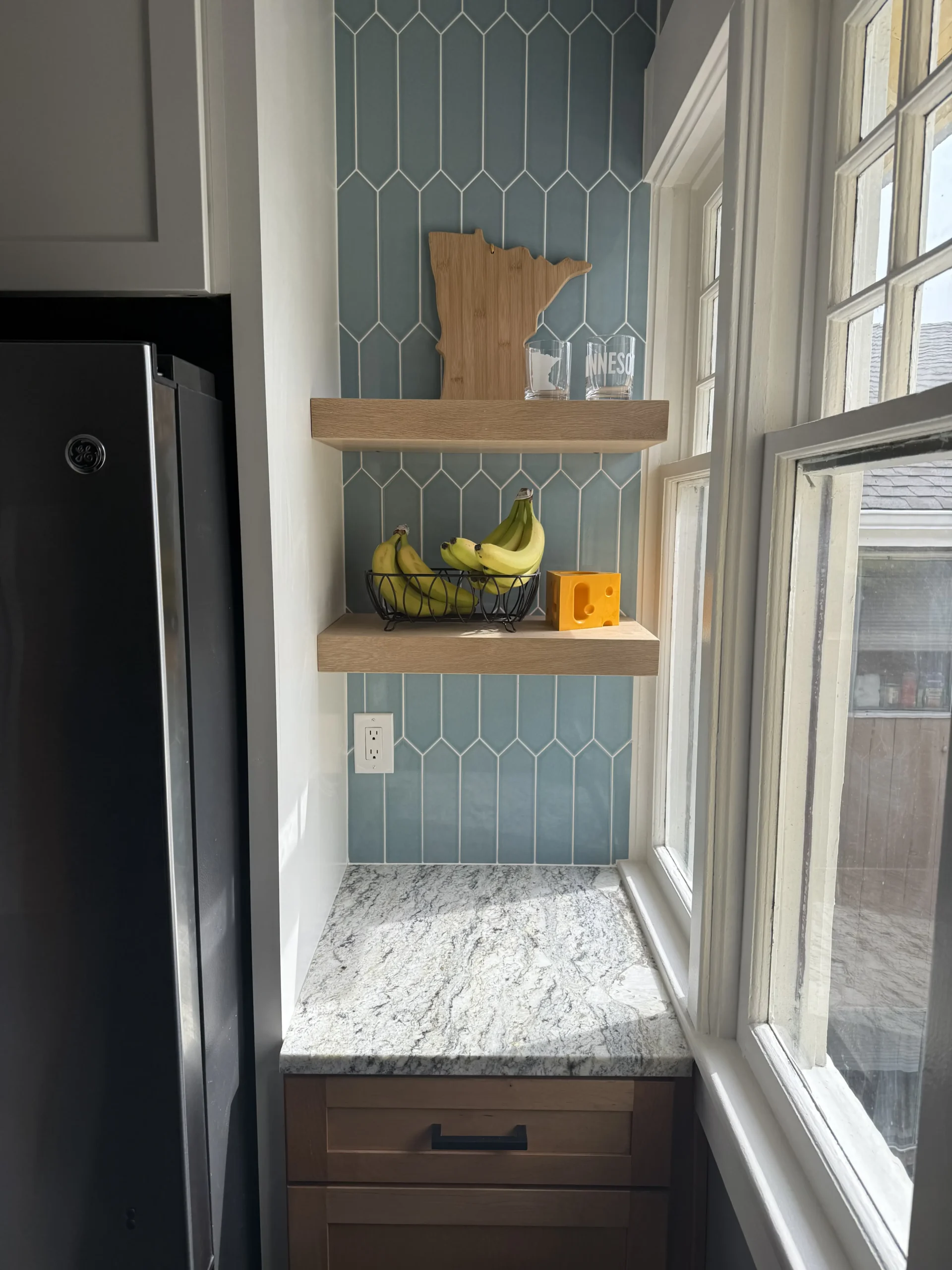
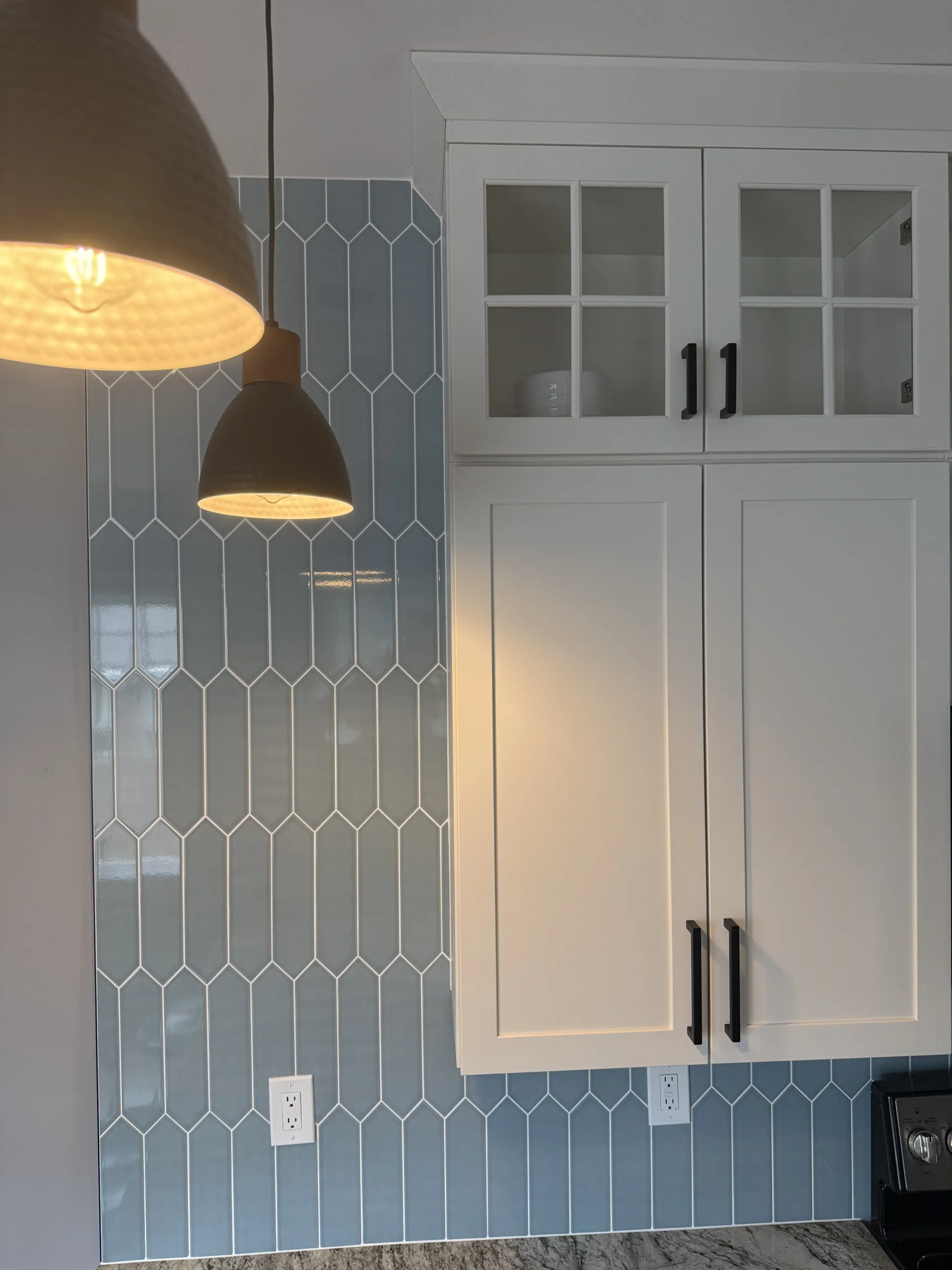
Once the structural and mechanical challenges were addressed, the kitchen layout was rebuilt with a focus on function and flow. The new cabinet configuration improves usability and creates a more efficient workspace, while also allowing the kitchen to feel more connected to the rest of the main floor without overcomplicating the design.
The lower level of the home already included a bedroom, bathroom, and living space, but it wasn’t being fully utilized. With the available footprint, a second kitchen was added downstairs, turning that level into a more complete and flexible living area. This creates options for extended family use or future rental potential, making better use of the existing square footage without expanding the home’s footprint.
In the end, the project reshaped how the home functions overall. The main floor now feels more open and connected, the kitchen works better for everyday use, and the lower level has been transformed into a fully usable secondary living space. What started as a request to open up a wall became a more complex rework of structure, systems, and layout, ultimately solving functional constraints while respecting the home’s original character.
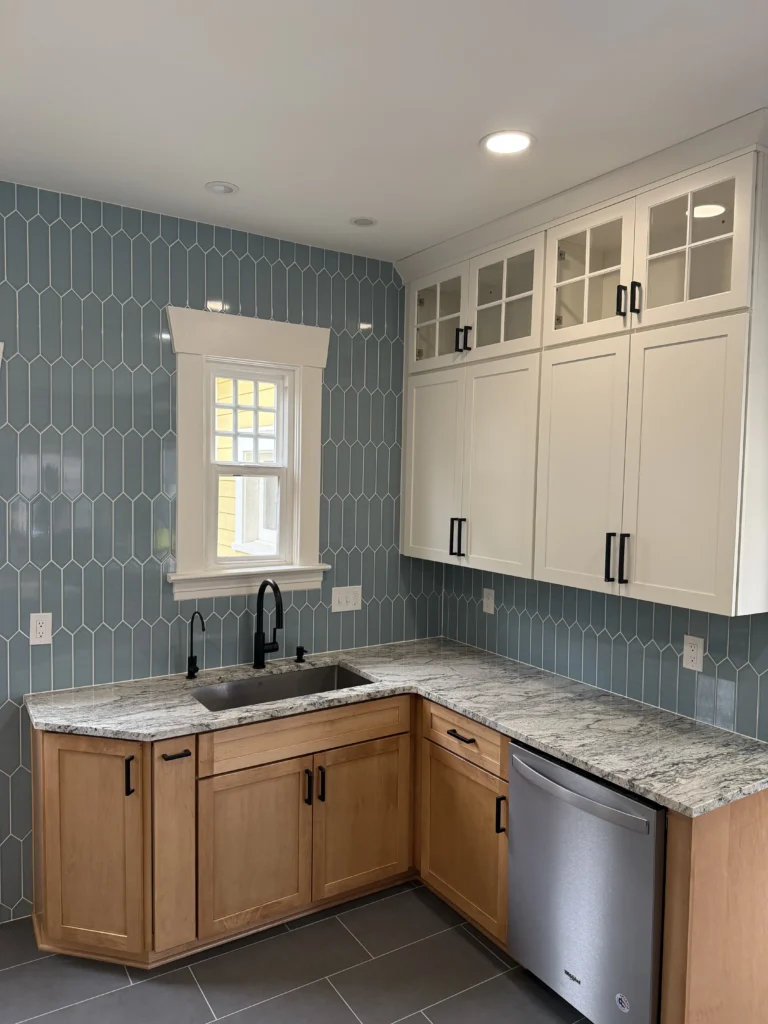
Working within size constraints, they not only performed great work, but also helped me brainstorm layout ideas and product choices. I'm thrilled with how the project turned out.
M. Galler
What Went Into This Remodel
- Interior wall and chimney removal
- Plaster and lathe demolition
- Structural reframing and support modifications
- Open floorplan reconfiguration
- Plumbing system rework for new kitchen layout
- Electrical rerouting and upgrades
- HVAC adjustments to match new layout
- Custom cabinet layout and installation
- Countertop and sink installation
- Lighting relocation and new fixture placement
- Appliance repositioning and connections
- Lower level kitchen addition
- Finish carpentry and interior patch/paint work
Kirks Renovations transforms kitchens into spaces that are functional, stylish, and welcoming. Our kitchen remodeling process guides every choice, from layout planning to finishes, delivering a space tailored to the way you live and entertain. Serving families in Bellevue, Kirkland, Yarrow Point, Medina, Redmond, Issaquah, Sammamish, and surrounding towns, we combine expert craftsmanship with thoughtful design in every project.
Kitchen Remodeling FAQs
Frequently Asked Kitchen Remodel Questions
How long does a kitchen remodel take?
Timelines depend on scope, complexity, and required permits. Remodels are scheduled in phases so you know when each stage, from demolition to finishes, will be completed.
Can I stay in my home during a remodel?
In many cases, yes. With careful planning of work zones, schedules, and temporary setups, we minimize disruption while keeping essential areas functional.
Will permits and inspections be required, and do you handle them?
Yes. Projects involving structural, plumbing, or electrical work require permits and inspections. Our team manages the process from start to finish to ensure compliance with building codes.
How do I choose the right contractor or coordinate with designers and architects?
Look for experience in remodeling and renovation, strong references, and a structured process. We work closely with design professionals to respect the project vision, coordinate trades, and maintain quality at every stage.
What factors influence the scope and complexity of a remodel?
Structural changes, plumbing or electrical relocations, cabinetry layout, and material selections all affect complexity. Early planning and coordinated trades ensure the project integrates seamlessly.
What are common challenges or mistakes to avoid?
Rushing planning, ignoring workflow, or miscoordinating trades can cause delays or extra work. A structured process and thoughtful layout prevent common issues.
What design and material options are popular for kitchen renovations?
Integrated storage, durable surfaces, layered lighting, and premium finishes are common choices. We guide selections that balance style, function, and long-term durability.
How do you ensure quality and consistency throughout the process?
Every stage is overseen by skilled craftsmen, verified materials, and quality checks. From rough-ins to final finishes, our workflow ensures precision, consistency, and lasting performance.
What sets your team apart for architect-led or custom kitchen projects?
We specialize in collaboration and precise execution. Our expertise in sequencing, material selection, and installation ensures custom kitchens respect the design intent and perform beautifully in daily use.